Our evolving understanding of neurodiversity
For Disability History Month (20 November - 20 December), our Disability and Wellness Network (DAWN) shares information on neurodiversity.
Neurodiversity is a recent concept. It took shape in the late 1990s, with the term linked to the work of sociologist Judy Singer and early online autistic communities. It connects with the social model of disability and helps us see conditions like autism, ADHD and dyslexia as natural and valuable forms of human variety.
The aim was to shift thinking away from deficit and towards different ways of experiencing the world. This matters for many people, as about 1 in 7 in the UK are neurodivergent and many have hidden differences.
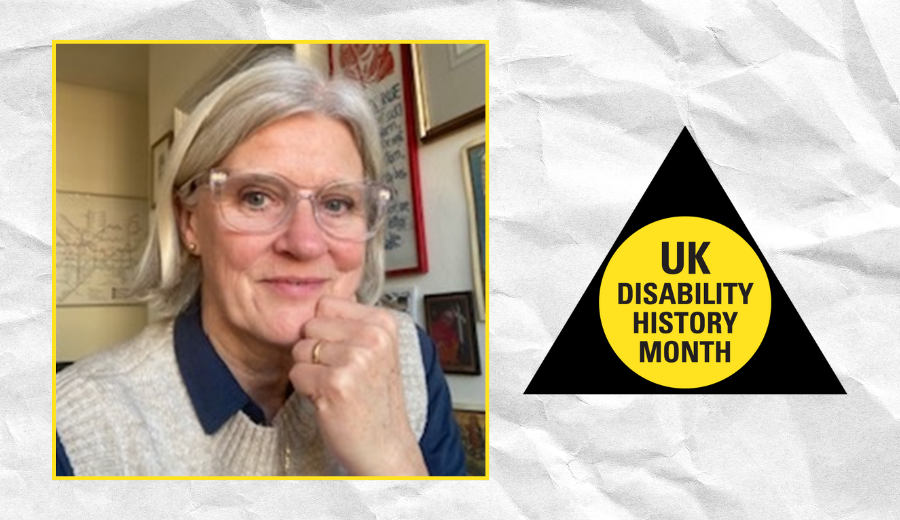
Jessica Streeting, MA Queen’s Nurse and Nurse Consultant for Public Health, shares her experience: “I love to write, and I find that paradox to be really fascinating to other people. They make an assumption about my skills based on their understanding of dyslexia, but actually it’s not just about learning to read, which can be the first indicator of dyslexia. I can take longer to process something or get to a conclusion, my brain takes a less direct journey (often making unexpected leaps) and that doesn’t stop me being creative with words.”
“Workplaces are mainly designed to suit the majority of the population who are neurotypical. Rather than attempting to change neurodivergent individuals to fit with the workplace, we need to be supporting them to be the best health care professionals they can be.” – Royal College of Nursing, 2022
Connecting through the Neurodiversity Peer Support Group
Recognising this evolving landscape and the need for internal support, CLCH is proud to host the Neurodiversity Peer Support Group (NDPSG), which operates as a sub-group of the Disability and Wellness Network (DAWN).
Jonathan Silver, Associate Chief Clinical Information Officer and DAWN Co-chair, said: “The NDPSG is dedicated to connection, support, and understanding, aiming to facilitate community among neurodiverse staff who might otherwise face challenges in isolation. We believe that neurodivergent thinking styles represent a great organisational asset in terms of creativity, teamworking, and problem-solving.
“Having been meeting for well over one-year, existing members tell us they find the group an invaluable monthly opportunity to share their experiences and connect.”
When asked about the NDPSG, Jess said: “The group is wonderful, actually, and I think it has surprised us all by how much support and solidarity we gain from being members.
“Jonathan is a lovely Chair – gentle, concerned and incredibly practical. Numbers are growing and we even have some from other Trusts, as I don’t think every Trust has our equivalent yet.
“In the corporate world of our large organisation, it gives us validity to come together and share our difference and our challenges. Sometimes this is practical stuff – like how to access Reasonable Adjustments, or what to expect in an ADHD assessment. Often, it’s the more intangible elements of being neurodiverse that we share – how we feel, how we own our true selves at work, rather than masking.
“Personally, it has made me braver, having spent so long apologising for the way I am rather than owning and celebrating the strengths I can bring, and owning difference. I feel passionate about supporting others as we navigate work life on our neurodivergent journey and am grateful to CLCH for this excellent forum.”
The Neurodiversity Peer Support Group offers monthly online peer-support meetings that provide a confidential and safe forum for members and allies to connect, share similar challenges, and learn from one another. Meeting invites are always sent out as ‘private’ events.
Jonathan adds: “On behalf of the network, we would like to extend our huge thanks to the Communications team for coordinating this series of news stories throughout disability history month campaign and to May Lim for her insight and passion in founding the neurodiversity subgroup.”
They warmly welcome anyone:
- Whether they live with neurodiversity or not;
- Who suspects they may live with neurodiversity (no diagnosis necessary);
- Is an ally, which includes those who may have neurodiverse family members;
- Or manages people and wants to better understand neurodiversity to support their team and ask questions in a safe space.
At CLCH, we're proud of the support our staff communities provide to each other, alongside our flexible working and Reasonable Adjustments service.