National Medical Director at NHS England visits CLCH to learn more about neighbourhood working
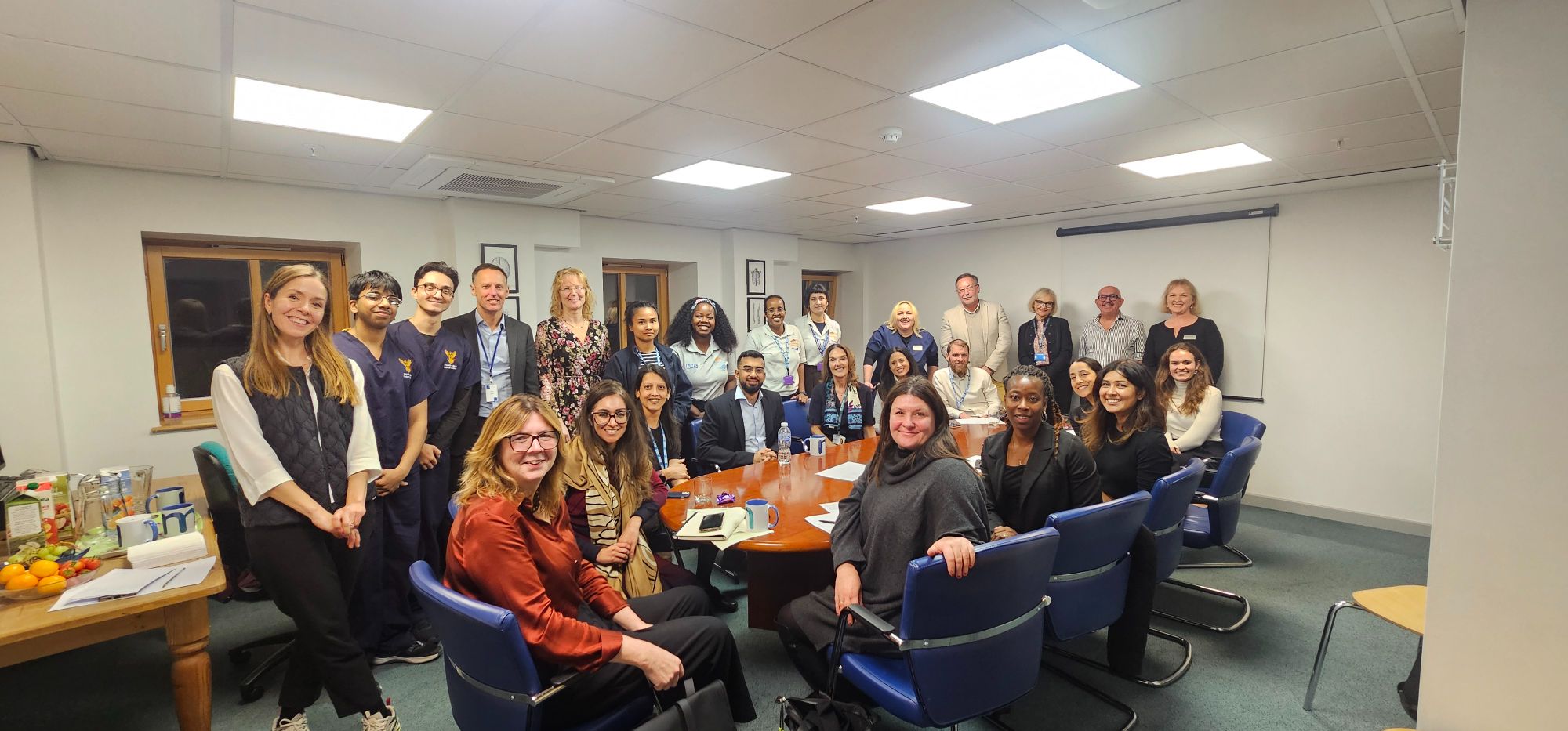
The Bi-Borough Place-Based Partnership welcomed Dr Claire Fuller, National Medical Director at NHS England, her Clinical Fellow Jai Prashar, and Dr Minal Bakhai, General Practitioner, Director of Primary and Community Transformation and Improvement and Senior Responsible Officer for the National Neighbourhood Health Implementation Programme (NNHIP) to highlight the progress of neighbourhood working across Westminster and Kensington & Chelsea.
Dr Fuller met with local system leaders, clinicians and frontline teams to better understand how neighbourhood health is being developed and delivered on the ground across our communities.
During the visit, Dr Fuller heard how the Bi-Borough approach is rooted in place-based working, strong partnerships, and community-led innovation. Presentations and discussions highlighted key neighbourhood priorities including frailty, children and young people, prevention, access, health inequalities, homelessness and housing, as well as the development of innovative models such as Neighbourhood Navigation, Community Health and Wellbeing Workers (CHWWs), and the Violet Melchett Health and Wellbeing Hub.
Local teams shared both achievements and challenges, including strengthening partnership working across organisations, improving data sharing, and building sustainable models of care to support the needs of the communities they serve.
Rita Thakaria, Bi-Borough Managing Director said: “This visit provided a valuable opportunity to demonstrate how our neighbourhood working is directly aligned with the ambitions of the NHS 10 Year Plan, shifting care from hospitals into communities, reducing health inequalities, strengthening prevention and early intervention, and building truly integrated neighbourhood models of care around the people and places we serve.”
Dr Claire Fuller, National Medical Director added: “What I’ve seen here in Bi-Borough is a powerful example of how neighbourhood working can bring together primary care, community services, local authorities and the voluntary sector around local people and places. The focus on relationships, prevention and community strengths is exactly what we need to see more of across the country as we deliver the 10 Year Health Plan.”
Dr Fuller also met with members of several teams including primary care, community health services, voluntary sector partners and local authority colleagues, gaining insight into how integrated neighbourhood teams are supporting residents with complex needs, reducing avoidable hospital use and improving wellbeing through preventative, community-based support.
The visit provided an important opportunity to reflect on progress to date, showcase innovation and best practice, and discuss how national support can help further strengthen Bi-Borough neighbourhood working over the coming years.