Hidden disabilities: Understanding, supporting, and ending stigma
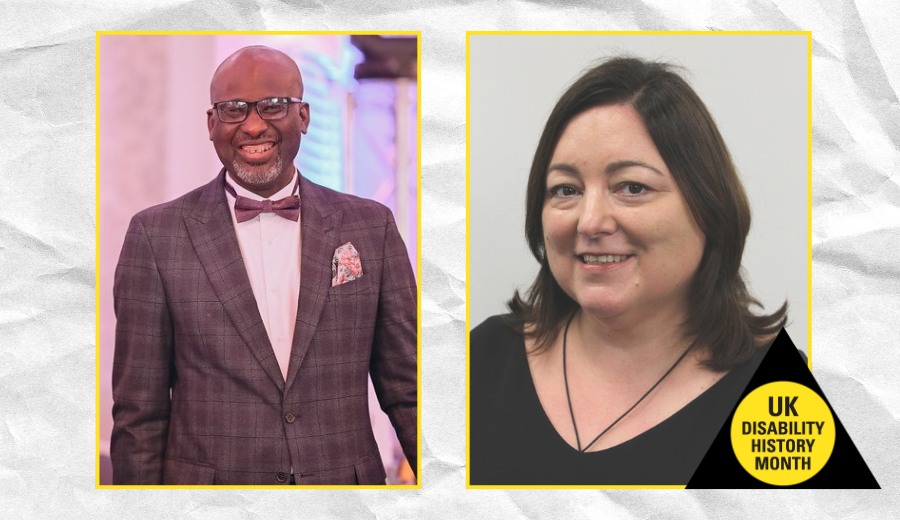
Eyitope Victor Oyeleye, Physiotherapy Assistant Practitioner, shares this insightful piece on hidden disabilities.
Disability History Month (20 November – 20 December) is a moment to think about how far we’ve come towards equality and inclusion. It’s also a chance to bring attention to disabilities that aren’t immediately obvious but can have a big impact on everyday life.
It’s important to remember that inclusion must go beyond what we can see. Ramps and accessible bathrooms are important, but many disabilities are not visible. Millions of people have these hidden disabilities, yet they are often not seen, misunderstood, or looked down upon.
What’s a hidden disability?
Hidden impairments are conditions that aren’t visible right away but can have a big effect on everyday living. Some examples are: Long-term illnesses: Crohn’s disease, diabetes, and epilepsy. Depression, anxiety, and PTSD are all mental health problems. Neurodivergence: ADHD and autism. Differences in how people learn: Dyslexia and dyspraxia. Sensory impairments: Hearing or vision loss that isn’t complete. Chronic pain or tiredness: Fibromyalgia, ME/CFS. People often doubt, judge, and even become angry when individuals ask for help with these problems because they can’t be seen.
Andrea Erdos, Equality, Diversity and Inclusion Officer, says: “I am disabled. Last time I checked, I had 32 medical conditions listed under my hospital profile, about third of these have a significant impact on my health. Among these are cancer, autoimmune diseases, diabetes, gastro conditions, MSK conditions, blood disorders and, on top of these, I am also neurodiverse.
“I rely on reasonable adjustments and have had a variety of adjustments throughout my employment with CLCH, from a good quality chair, noise cancelling earphones, footstool, and a wireless mouse. I also have assistive software and have been supported to make less phone calls. But the most important adjustments for me are flexible working hours, travel support and being able to work from home.”
Hidden disabilities aren’t uncommon, but when people make assumptions about someone based on how they look, stigma can start to cause a real problem.
"You don't look like you have a disability."
"You should be able to do X if you can do Y."
"They're making it sound worse than it is to get special treatment."
"You don't look disabled."
These kinds of attitudes make it harder for people to get support.
What can we do to support hidden disabilities?
We can start with things like flexible working. Give people the option to work from home. Employees can manage their symptoms without losing productivity by working from home, having flexible hours, and adapting their tasks.
When talking about the impact flexible working has had, Andrea said: “I am very grateful that I can still work. This enables me to pay rent, pay my bills, put food on the table, have heating in my home and, have the occasional treats too that otherwise I would not be able to afford.
“I was truly happy when, especially during the lockdown, other colleagues could work from home too. It no longer felt like having “special treatment” or taking advantage of my disability. I believe that all employees should have a degree of flexibility about the way they are working. I believe that it enhances productivity and the wellbeing of employees.”
Make trust a part of your culture. Help people talk to each other without being judged. Empower managers to respond with understanding, not doubt.
Never make your workers give you information. Help should be given based on need, not proof.
Set aside places for people who need quiet spaces, including neurodivergent workers or people with anxiety.
Help without making any assumptions. Say, “Is there anything I can do to help you?” It starts with us to end stigma and to remember that inclusion isn’t only about what we see. We can make sure that Disability History Month is more than just a memorial by encouraging empathy, fighting stereotypes, and making environments that are flexible and supportive.